
About Robert
Practical revenue systems for teams that need cleaner intake, stronger follow-up, better customer context, and clearer handoffs.
From hands-on operations to StackFast Technologies, the work is the same: translate operator judgment into workflows teams can use every day.

Operator Perspective
I have worked with customers from every walk of life: first-time buyers, working households, retirees, business owners, high-income professionals, enthusiasts, collectors, and people simply trying to solve a practical problem in their life.
What I learned is that the product is rarely the whole story.
A purchase might be transportation, identity, community, a practical work tool, a retirement plan, or a way to solve a problem that is bigger than the product itself. A service appointment, financing conversation, insurance question, home project, or customer complaint each carries its own context.
That range shaped how I work.
I listen for the world behind the request, the pain point behind the question, and the handoff that needs to happen next. My work now is building practical AI-enabled revenue systems that help teams capture that context, respond faster, follow up better, and serve customers in a way that fits their real situation.
Revenue Systems Built From Operator Judgment
Revenue Operations
Built operating systems across sales, service, finance, technology, support, and back-office workflows. Learned how businesses actually work by making the handoffs clear.
CleverQ Software
Turned operating questions into software: dashboards, scorecards, and structured performance views that helped operators see what needed attention.
Sales · Service · Commercial Operations
Different settings, same lesson: the people closest to the customer know more than most systems capture, and that context matters to the next handoff.
The Turning Point
Started applying systematic research to personal health after losing people close to me. Used AI to dig into the data. The process itself became the insight.
StackFast Technologies
Went full-time on the system I had been building toward: a way to capture how experienced operators actually think — not just what they know.
AI6 + CogentCast Launch
Multiple AI models working together. CogentCast as the first real consumer of the SDK. Still building. Still learning what works.
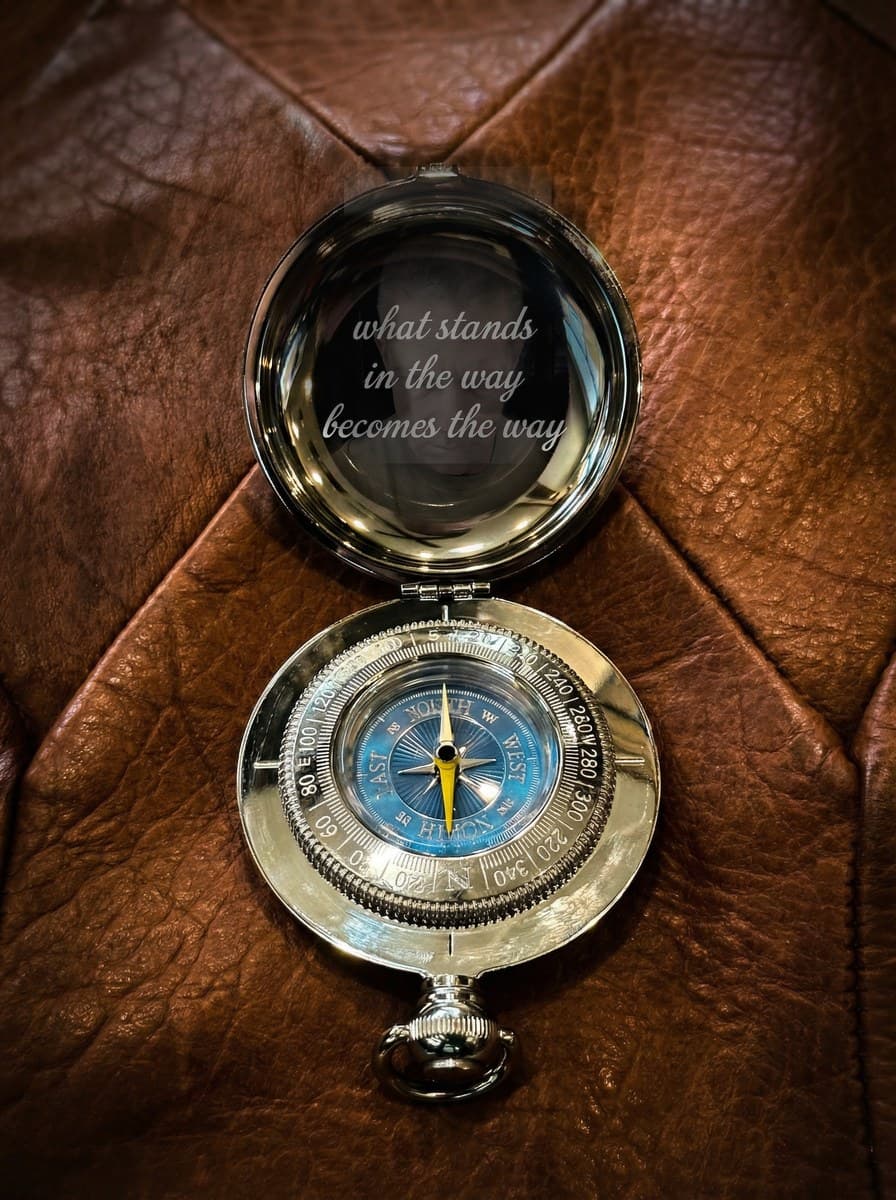
“What stands in the way
becomes the way.”
— Marcus Aurelius, engraved on Robert's Dalvey compass
I lost people close to me to preventable disease — cancer, heart disease, metabolic conditions. So I did what I always do: dug into the data, built a system, and followed it. Applied the same approach I'd used in business to my own health. It worked. But more importantly, the process itself became the template for everything that came after.
From Health Hack to Decision Architecture
The health work forced something into the open. The pattern recognition that had been running in the background for operator experience of operating businesses — it became explicit. I could see the frameworks. And once you can see them, you can encode them.
Same approach as everything else: take what you know implicitly, make it structured, make it repeatable, measure the results. Nothing magic about it.
Turns out the industry later started calling this approach "Intent Engineering" — encoding organizational purpose into AI infrastructure. I didn't know the term. I was just trying to solve a problem I'd been staring at through years of operator work: how do you capture the way experienced people actually think, not just what they know?
That's what StackFast does. It captures how operators think and turns that judgment into a system others can use.
"In Jeans, Not Robes."
Direct. Operator-Built. Anti-BS.
I'm not an academic. I'm not a consultant. Every framework in StackFast came from running actual businesses across sales, service, field operations, software, and customer-facing teams. The patterns were not designed in a lab. They were earned by solving operational problems in the real world.
That's the whole philosophy. Build from experience. Skip the jargon. Make it useful.
What the Work Actually Covers
Strategic Planning & Execution
Turns messy operations into clearer systems: intake, ownership, follow-up, handoffs, reporting, and practical execution.
Systematic Thinking
Looks for the customer context, process gaps, and repeatable decisions underneath day-to-day revenue problems.
Technology + Operations
Built CleverQ when dashboards were the answer. Built StackFast when AI infrastructure became the answer. The through-line is the same: make what operators know usable by others.
Implementation Discipline
Focuses on the practical steps that make a system usable by a team: clean handoffs, clear ownership, measurable follow-through, and low-friction tools.
"Focus on systems, not just outcomes. Build frameworks that scale beyond individual decisions."
 — Robert Trupe


